
What nobody tells you.
If you only read the good parts, you will be angry by your second August. Read these four first.
The heat, honestly
From May through September you plan the day around it. Errands before ten or after six. A shirt for the morning and a shirt for the afternoon. You stop walking places you would happily walk in October. The house that works here is the one with shade and a porch.
Insurance
Homeowners insurance in New Orleans averages around $6,000 a year on $300,000 of coverage, against a national average closer to $2,600. Flood is a separate policy on top of that. Coming from Seattle or Chicago, this one line can be the difference between the house you wanted and the house you buy.
Infrastructure
The streets are bad and they are being worked on, which means detours. The Sewerage and Water Board is a long-running civic argument. Power goes out in summer storms. You learn the potholes on your own block, and you either keep a generator or you know the neighbor who does.
Hurricane season
June through November. Most years it is a few days of watching a forecast and filling the tank. Some years you leave. What matters is having the plan made before August: where you would go, what goes in the car, who has your documents. People who plan do not panic.
The things that make it worth it
Then it is late October, the air finally turns, and somebody is playing on a corner you did not know had music. Sweet olive in a courtyard. A neighbor bringing a plate before your kitchen is unpacked. A parade down your street on a Tuesday. Nobody moves here for the weather. They stay because the city is still, stubbornly, itself.
The practical part.
The numbers and the logistics, in the order people actually ask about them.
Cost of living
The median sale price here is around $340,000, which reads as a rounding error if you are selling in Seattle or Brooklyn. Housing is where you come out ahead. Insurance and utilities are where some of it goes back. Run the whole monthly number, not just the mortgage.
Work
Healthcare and the hospital corridor, the port and logistics, energy, higher education, hospitality, film and production, and a real remote-work population that chose the city on purpose. It is not a deep corporate job market. Most people I work with either bring their work with them or own the thing they do.
Schools
Nearly every public school here is a charter, and there is no neighborhood zoning the way you are used to. Families apply through one common application run by NOLA Public Schools, rank schools by preference, and get matched to a seat. Start at enrollnolaps.com, and start early. There is also a large, long-established private and parochial sector.
Cars and getting around
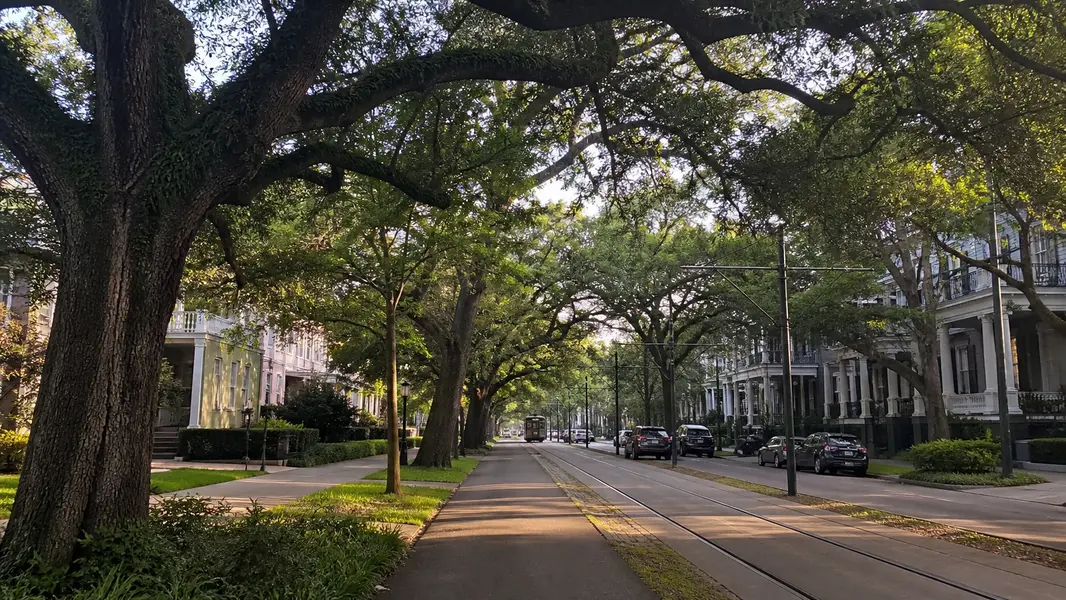
You will want a car. The streetcar is lovely and slow, which makes it transport for a few commutes and scenery for the rest. Off-street parking is worth real money Uptown and in the Garden District. Check for it before you fall for a house.
Weather and the calendar
The year runs on festivals, not seasons. Carnival from January through Mardi Gras, then the best six weeks of the year in spring. Summer is for indoors and for leaving. Fall is the reward. Plan anything that matters for October through May.
Which neighborhood is you.

Luxury Real Estate Advisor License ID: 995701126
+1(504) 617-5184 | richard@richardhebertrealtor.com
The relocation guide.